Applied Practice Experience
Students engage in real-world applications, gaining hands-on experience and honing their skill, all the way until program completion.
Earn your Master of Public Health (MPH)—on-campus or online—and develop the academic foundation and practical skills you need to make a difference in your community and around the globe.
| Length | Commitment | Format | Entry Terms |
|---|---|---|---|
4 SEMESTERS*Accelerated option can be complete in 12 months. Students can take up to 5 years to complete. | FULL-TIME or PART-TIME | ON-CAMPUS & ONLINE | SPRING, SUMMER & FALL |
Tufts MPH is available on campus and online, and students can enjoy the advantages of both through cross-registration. Plus, explore our accelerated fully on-campus MPH option, designed for those looking to complete the program in just one calendar year. Regardless of format, Tufts University is committed to delivering an exceptional education. Whether you’re drawn to the vibrant campus atmosphere or the convenience of online study, our MPH program is designed to meet your needs. Join us and embark on a learning journey tailored to your aspirations.
Experience the perfect blend of classroom insights and real-world practice with our dynamic practicum and capstone experience. Our program goes beyond academic rigor, equipping students with practical skills to create a profound impact on public health. From Day 1, our students begin planning their practicum experience, so that they can start to make a tangible difference in communities early in their journey at Tufts.

Students engage in real-world applications, gaining hands-on experience and honing their skill, all the way until program completion.
The pinnacle of our program, which takes place in the final two semesters. Through the capstone, students synthesize their learning journey and showcase their transformative growth.
Participate in groundbreaking research opportunities, collaborating with our renowned faculty though their academic journey. Students in the MPH program, contribute to advancing public health and pave the way for impactful discoveries.

At Tufts, our intimate, collaborative environment fosters meaningful connections and dismantles barriers to learning. Small class sizes and a dedicated faculty of public health practitioners ensure students enjoy personalized attention, fostering a supportive atmosphere. With easy access to faculty, students receive individualized guidance, academic support, networking opportunities, and career guidance, empowering them to thrive and achieve their goals.
Our esteemed faculty members bring a wealth of professional experience in the realm of public health. With diverse backgrounds spanning environmental and civil engineering, nutrition, health administration, medicine, business, social work, epidemiology, and more, our faculty members offer a comprehensive range of expertise.
Benefit from their real-world knowledge and insights as they guide you towards mastering the intricacies of the field and preparing you for impactful contributions in public health.
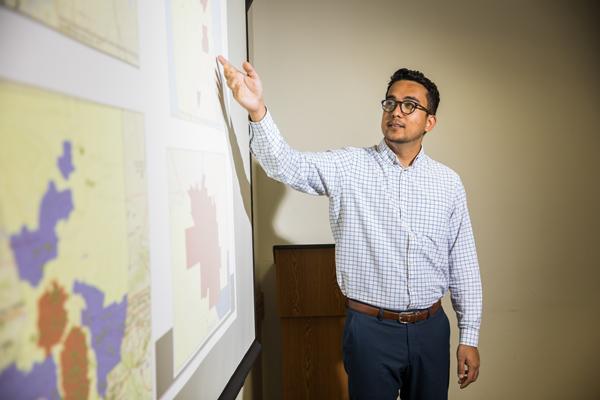
Delve into the world of cutting-edge research by exploring our faculty research labs. Uncover the breadth and depth of expertise, spanning various domains of public health.

At Tufts, we strive to create a society where every individual can thrive and achieve optimal health. With a resolute focus on equity and social justice, our MPH curricula delve deep into understanding the social and behavioral determinants of health. By exploring these factors, we shed light on the root causes of health disparities among historically underserved communities. Through a multidisciplinary and humanitarian lens, our program addresses public health challenges, working towards creating a world where everyone can enjoy the highest attainable standards of well-being.
We believe in empowering students to forge their own path and follow their passions. With concentrations in Population Health Promotion, Epidemiology and Biostatistics, Health Services Management and Policy, and Nutrition, along with an Individualized concentration and various dual degrees, students can tailor their education to align with their professional interests and leverage their strengths.
Embrace the power of choice and design an educational experience that sets you up for success.

All MPH students graduate with one of the following concentrations: Epidemiology and Biostatistics, Health Services Management and Policy, Individualized, Nutrition, or Population Health Promotion.
By pursuing a dual degree, you’ll gain a unique skill set and a deeper understanding of how different disciplines intersect to address complex public health challenges.
Our programs provide opportunities for students to incorporate a global health focus, equipping them with the skills and knowledge to make an impact on an international scale.

We are dedicated to empowering our students to reach new heights in their careers. With a proven track record of job placements, our programs ensure that you are well-prepared for the competitive job market. Our Career Services team continues to provide assistance even after graduation, ensuring that you have the tools and support to achieve your professional goals. With a solid academic foundation, practical experience, and ongoing career support, you have the keys to unlock your unlimited career potential.
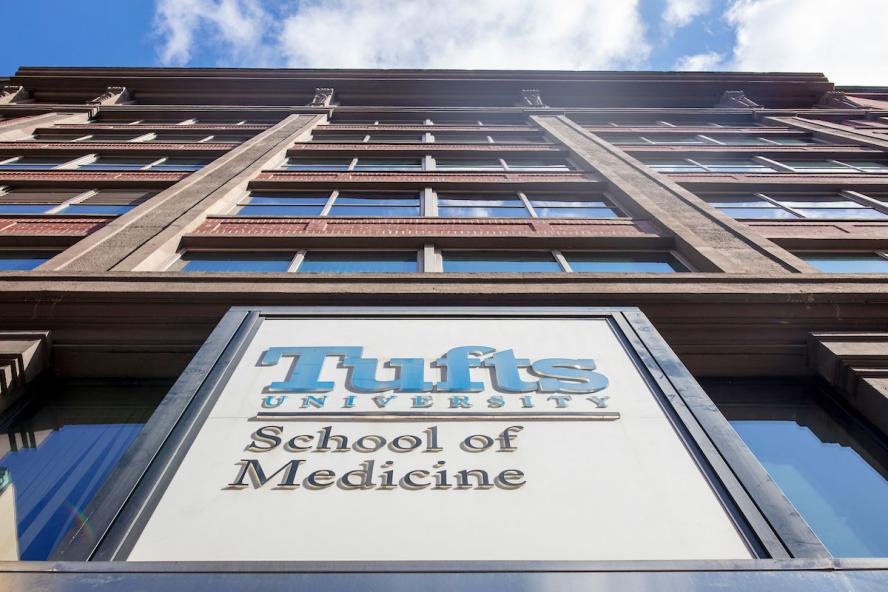
Tufts School of Medicine is nestled in downtown Boston, renowned for its contributions to medicine, science, and public health. From the historical Chinatown neighborhood, you’ll embrace a diverse and intellectually stimulating environment, surrounded by world-leading hospitals, pioneering nonprofits, and groundbreaking research institutions. Immerse yourself in this vibrant setting, broaden your perspective, deepen your learning experience, and expand your professional network.


Make a meaningful impact in the lives of individuals and communities, whether at the local, national, or global level.
Take the next step towards a rewarding career by exploring Tufts’ MPH programs.
If you have any questions, please contact us at ph.admissions@tufts.edu—we are always happy to hear from you!
Information sessions and webinars provide an overview of the on-campus and online MPH programs and the admissions process and requirements. Students can also sign up for one-on-one office hours appointments.
A Council on Education for Public Health (CEPH) accreditation review is scheduled for our MPH program on April 29-30, 2024. Written third party (students, alumni, faculty, staff, community partners, and members of the general public) comments will be accepted by CEPH until 30 days prior to the on-site visit. Comments can be submitted from now until March 31, 2024 via email: submissions@ceph.org We invite students, alumni, faculty, staff, community partners, and members of the general public to submit comments on the Tufts public health program, practices, procedures, and policies.